How to Find the Right Septic Tank
Finding the right septic tank for your property is a crucial step in ensuring the efficient and safe treatment of wastewater. Whether you're considering a septic tank for a new home or replacing an old system with the help of a septic pumping service, understanding the fundamentals is essential. Proper evaluation not only ensures compliance with regulations but also enhances the longevity and efficiency of the system. This guide will walk you through the key considerations and aspects you need to evaluate to make an informed decision.
Understanding Septic Tank Basics
What Is a Septic Tank?
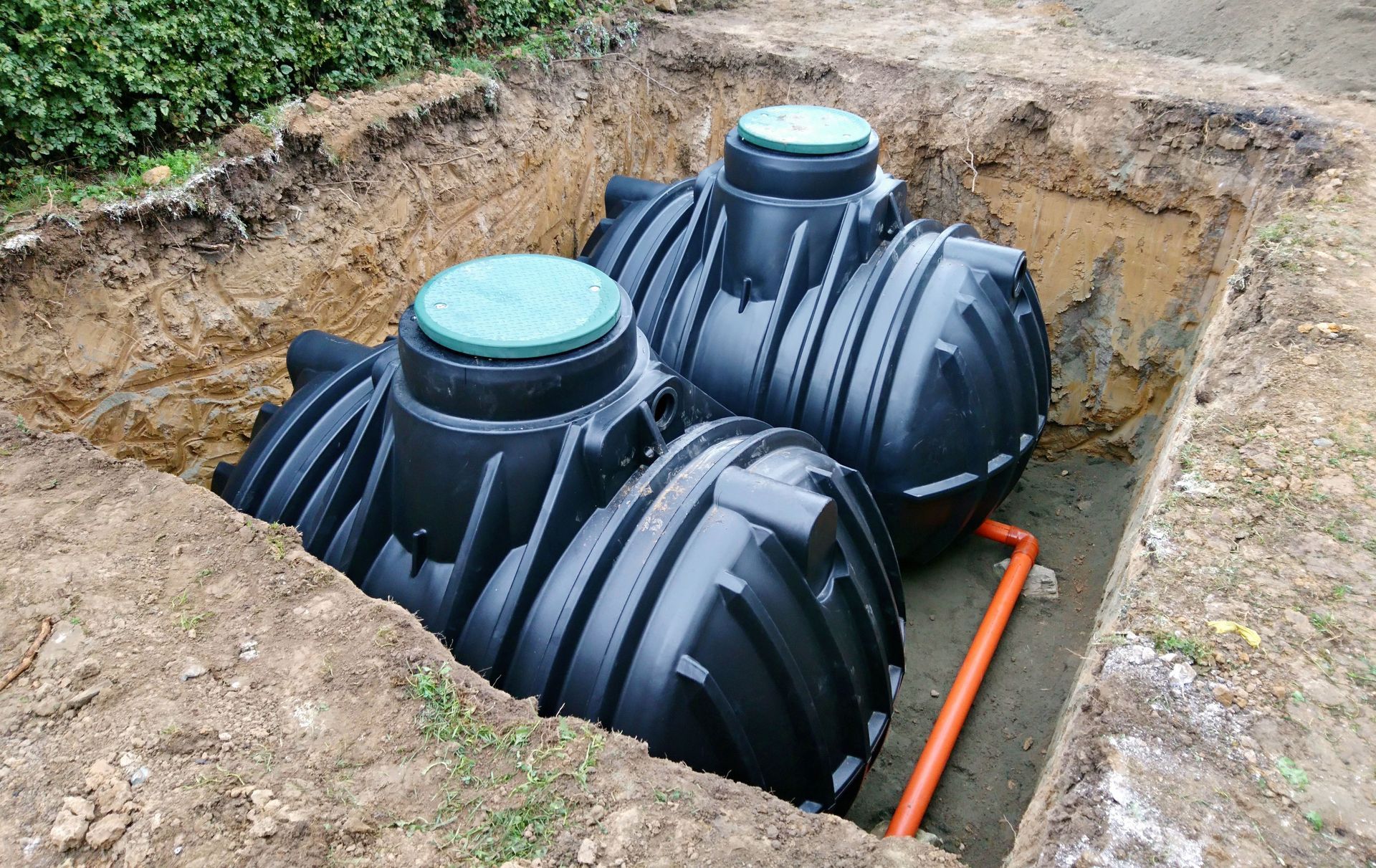
A septic tank is an underground chamber through which domestic wastewater flows for basic treatment. It plays a central role in the treatment of sewage by separating solid waste from liquid waste. The tank's primary purpose is to provide a space for solids to settle at the bottom while allowing liquid effluent to be released into a drain field for further treatment. Unlike urban sewage systems that connect to a central treatment facility, septic systems are self-contained. This makes them ideal for rural or remote areas where connecting to a central sewer line is not feasible.
Septic tanks vary in size and design, depending on the household's needs and the property's characteristics. Typically, they range from 1,000 to 1,500 gallons and must be chosen based on the number of bedrooms and the expected water usage. For example, according to HomeGuide, a 1,000-gallon tank can accommodate a household capacity of three bedrooms with two people per bedroom. Understanding these requirements is crucial in choosing a tank that fits your specific situation. A mismatched tank size can lead to inefficiencies and potential system failures.
Choosing a septic tank from a septic pumping company also requires understanding the local health department regulations, which dictate the types of systems that are allowed in specific areas. These rules are in place to protect groundwater quality and ensure safe wastewater treatment. Compliance with these regulations is non-negotiable, not just for legal reasons but also to maintain environmental integrity. Selecting the right septic tank begins with comprehending these foundational concepts, which set the stage for further detailed evaluation.
How Septic Tanks Work
A septic tank operates on a simple mechanism that allows for the separation of solid waste from liquid waste through the natural process of sedimentation. When household wastewater enters the tank, heavy solids settle at the bottom, forming a sludge layer. Lighter substances such as oils and grease float to the top, creating a scum layer. The waste in between forms a relatively clear layer of effluent liquid, which exits the tank into a drain field, where further purification occurs through soil filtration.
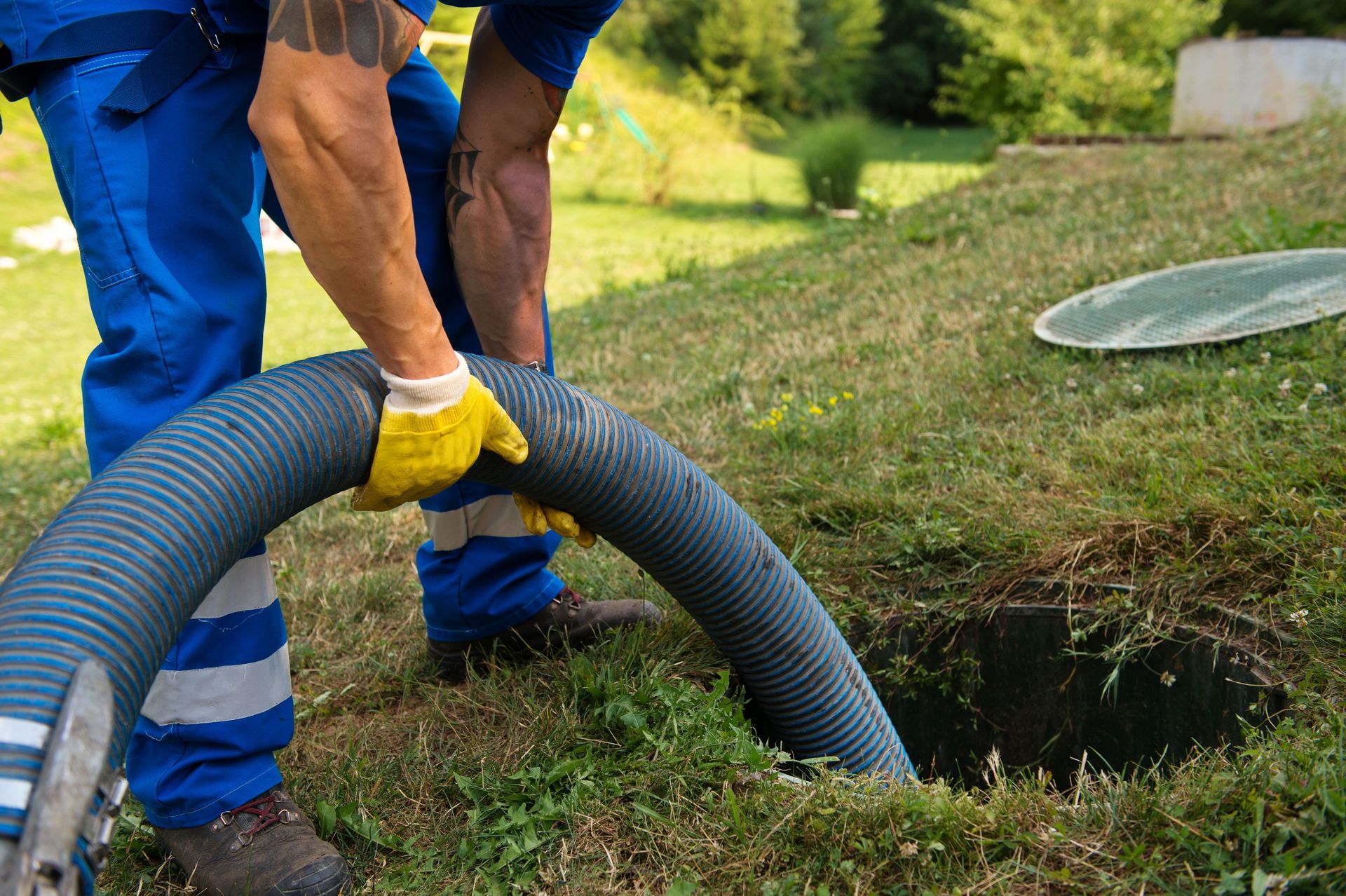
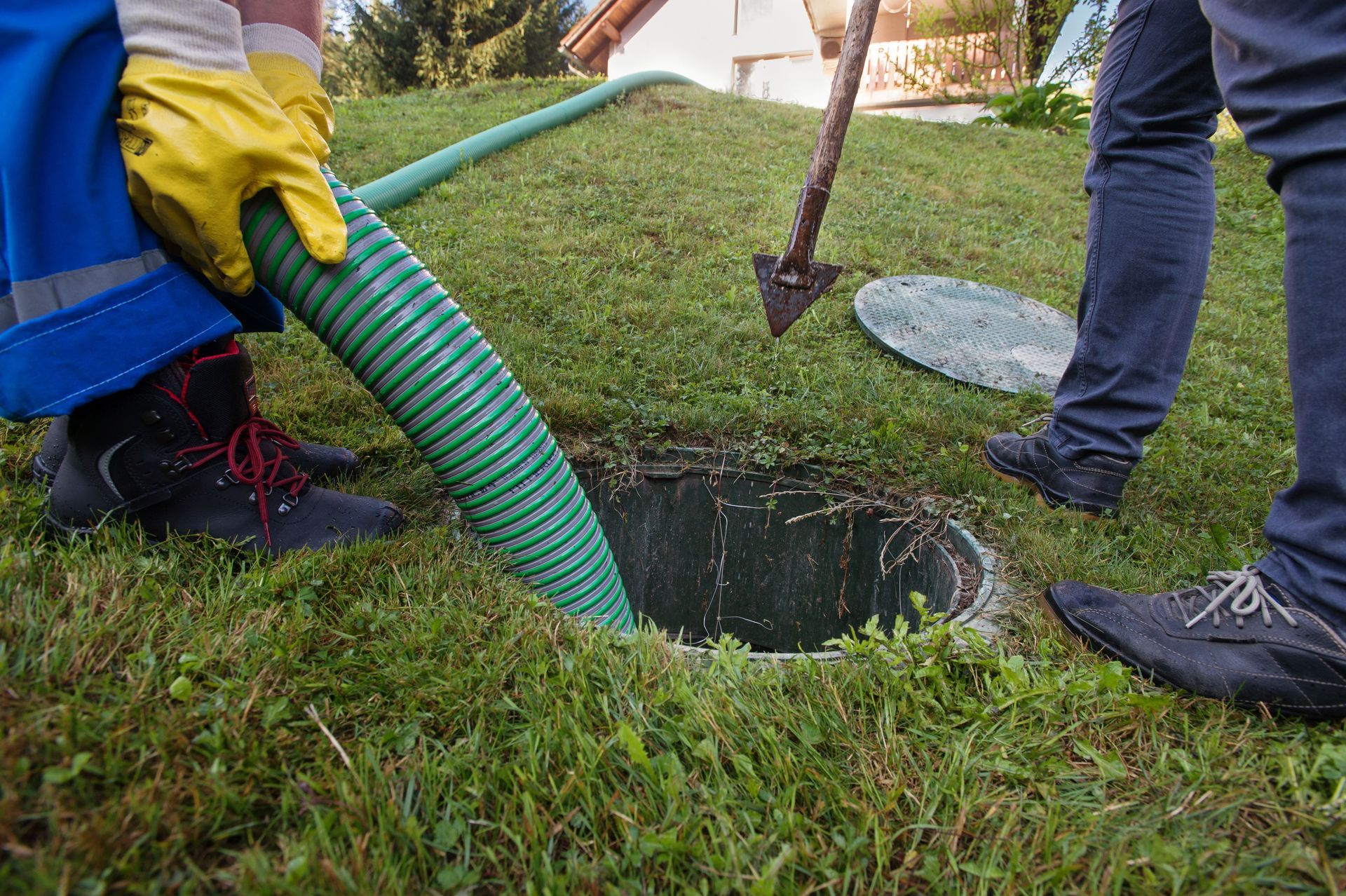
This basic process is powered by bacteria and microbes breaking down the organic material in the sludge, which minimizes the accumulation of solids. Regular septic pumping is crucial to remove the built-up sludge and prevent overflow. A clogged system can lead to potential health hazards and property damage. Therefore, understanding how your septic tank functions will help you plan for its ongoing maintenance needs. Moreover, each component of the system has an integral role in proper waste management.
Different types of septic systems may employ additional technologies to treat the wastewater more thoroughly before it reaches the drain field. For example, aerobic treatment units use oxygen to promote more rapid decomposition of organic material than conventional systems. Knowing how each system operates enables you to make informed decisions regarding both routine maintenance and potential upgrades. This knowledge assures the system runs efficiently, safeguarding both your property and the environment.
Types of Septic Tank Systems
There are a variety of septic tank systems available, each suited to different needs and environmental conditions. The most common is the conventional septic system, which uses a simple gravity-fed process to separate liquid and solid waste before discharging the effluent into a drain field. Conventional systems are cost-effective and easy to maintain, making them popular in many rural households. They also have fewer mechanical parts, reducing the need for repairs over time. However, they are less suitable in areas with high water tables or poor soil percolation.
Assessing Your Needs
Evaluating Your Household Size
The size of your household is one of the primary factors in determining the appropriate septic tank size. A larger household generates more wastewater, necessitating a tank capable of accommodating the increased volume without compromising efficiency. Understanding your household's current and intended size ensures the system remains functional even as family dynamics change. Planning ahead can prevent costly upgrades and extend the tank's utility.
Property Size and Layout Considerations
The size and layout of your property considerably influence the choice of septic tank and the entire system configuration. Larger properties typically provide more flexibility in system location and layout, potentially accommodating larger drain fields if necessary. However, in smaller lots, space constraints might necessitate the use of compact systems or advanced treatment units, which can function efficiently in restricted areas. The availability of sufficient land area for a drain field directly impacts the type and size of the system that can be installed.
Water Usage Metrics
An accurate understanding of your household's water use is essential for determining the appropriate septic tank capacity and system configuration. Water usage can be calculated from daily activities such as bathing, cooking, cleaning, and appliance use. Estimating average water usage provides insight into the daily wastewater output, which directly affects septic tank requirements. Conducting a water use audit enables you to identify peak usage times and potential inefficiencies in water consumption.
Choosing the Right Size of Your Septic Tank
Calculating Capacity Requirements
The capacity of your septic tank plays a critical role in its effectiveness and sustainability. Determining the right size involves calculating daily wastewater production and matching this with the capacity that prevents overload or underutilization. A standard formula incorporates household size, type of water fixtures, and peak water usage to establish these metrics. For example, a household with three bedrooms and six occupants might typically produce between 300 and 600 gallons of wastewater per day, depending on usage habits.
Effects of Overloading
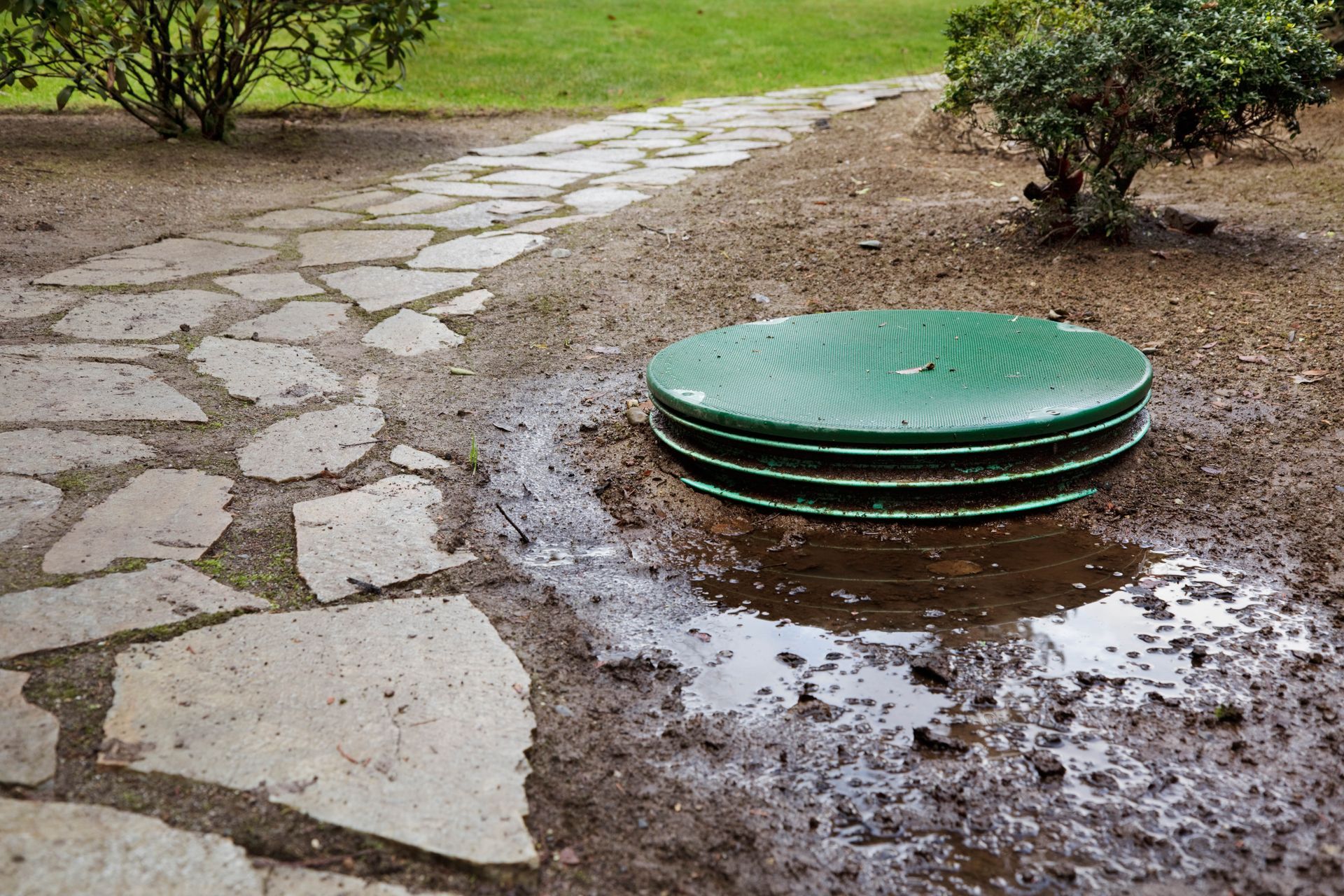
Overloading a septic tank occurs when wastewater production consistently exceeds tank capacity, leading to ineffective treatment and potential health hazards. An overburdened system can result in frequent backups, increased solid waste formation, and elevated risks of environmental contamination. As the septic tank becomes unable to process this excess, untreated effluent may leak into the environment, affecting both human health and natural habitats. Therefore, aligning tank capacity with usage needs effectively mitigates these risks.
Consulting With Professionals
Engaging with a professional septic system pumping company is integral to choosing the right system size. These experts have a comprehensive understanding of the myriad factors affecting septic system performance, including soil quality, local regulations, and household requirements. They can accurately analyze your property to determine the most suitable tank size and type for your needs. Industry professionals also ensure conformity with regulatory standards, vital for avoiding compliance issues.
In addition to technical expertise, professionals provide insights into advanced solutions and emerging technology, guiding prospective investments that align with your budget and environmental goals. Their experience allows for foresight regarding potential system changes as property requirements evolve. Client collaborations with professionals enable a thorough evaluation of site specifics, ensuring systems are accurately tailored.
Selecting the right septic tank involves a careful balance of household needs, property characteristics, water usage, and local regulations. Understanding how septic systems function and the different types available equips you to make informed choices that support long-term efficiency and safety. By working with experienced septic pumping professionals at Larry's Septic Tank Service, you can ensure your system is appropriately sized, properly installed, and maintained for optimal performance. Reach out to us today to get started!


Share On: