Signs You Need to Call a Professional Septic Service
Identifying early warning signs of a household plumbing breakdown is vital for maintaining a clean, healthy, and functional living environment. Every property owner relies heavily on underground waste disposal systems to manage daily water usage and sewage, yet these complex components are frequently forgotten until a major failure manifests inside or outside the property. Failing to pay attention to subtle performance shifts can result in environmental contamination, severe water damage, and extraordinary repair expenses that could easily have been avoided with proactive care.
Engaging a certified specialist for routine checks ensures that every component operates efficiently without unexpected disruptions. By paying attention to daily operational changes, property owners can identify subtle issues before they escalate into massive structural headaches. Modern waste management infrastructure requires balanced biological activity and intact structural components to function correctly. When these systems experience mechanical strain, localized blockages, or physical deterioration, the entire household dynamic is disrupted.
Identifying Drainage Problems and Backups
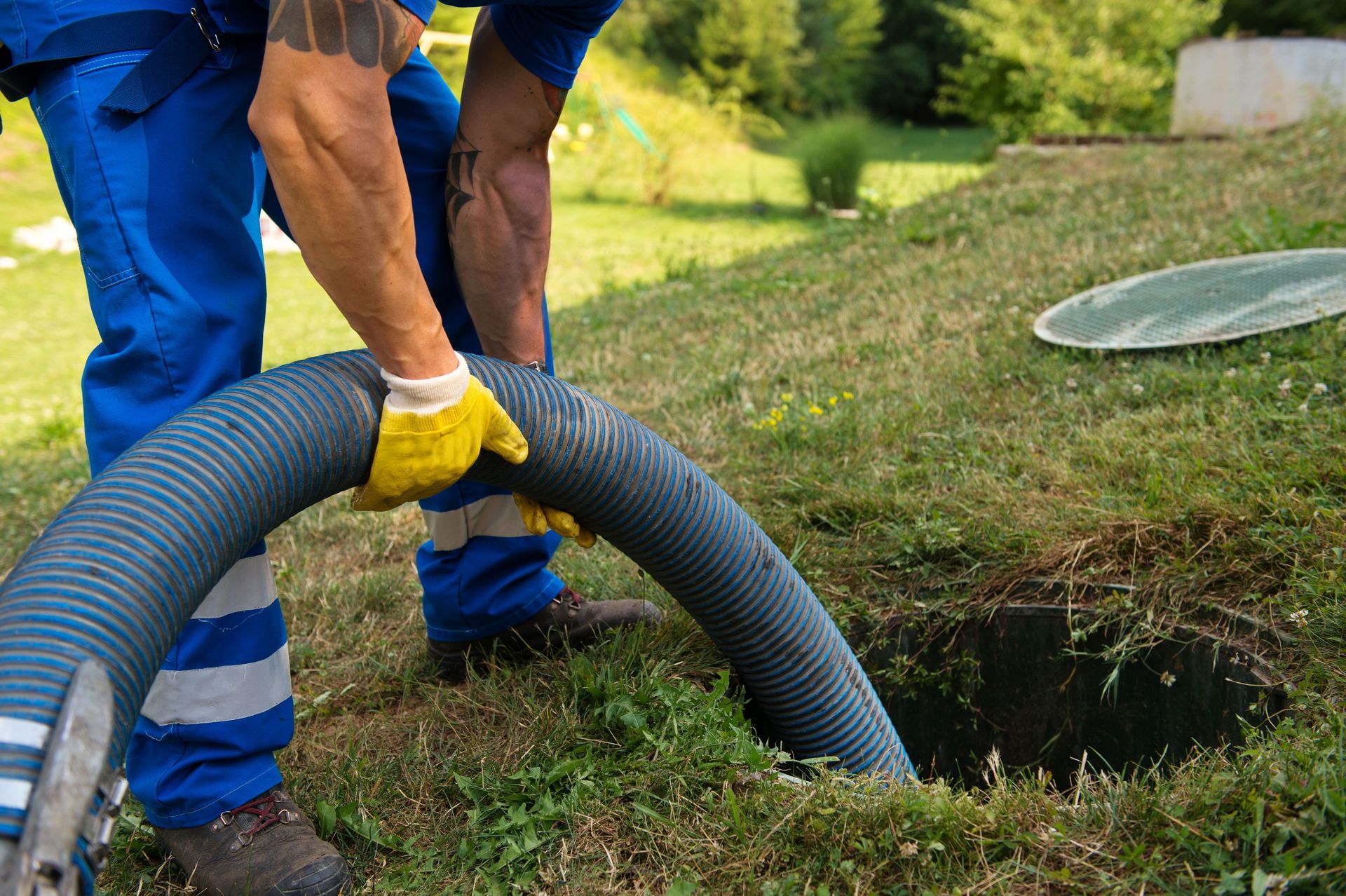
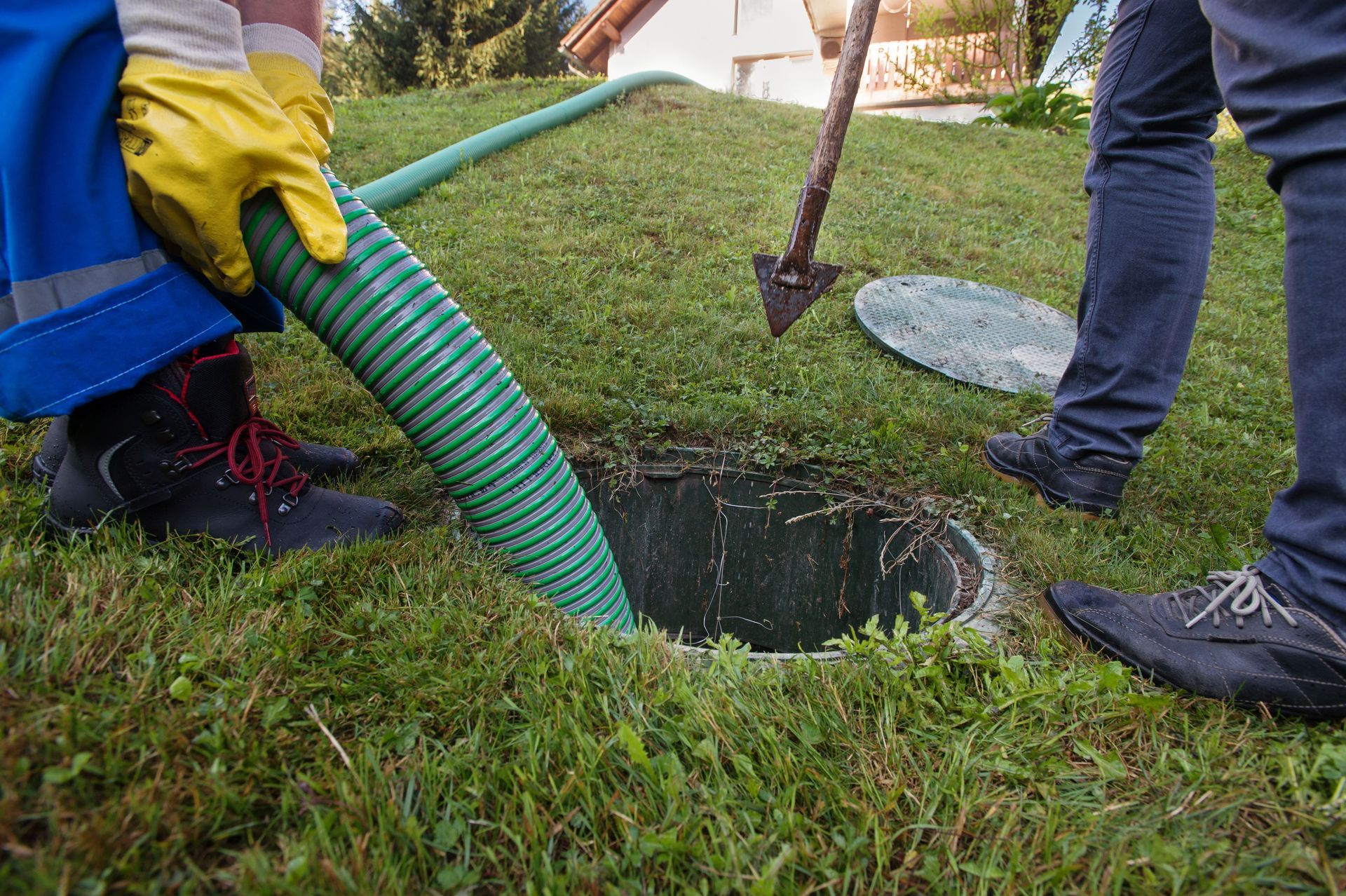
Slow drains are often one of the first indicators of a problem within an underground infrastructure. This issue can be caused by an accumulation of debris within the main lines or an overly full underground containment area. Grease, hair, and various non-biodegradable objects accumulate over time, obstructing normal wastewater flow and generating internal pressure. These dense buildups inevitably lead to localized backups, causing significant inconvenience, foul smells, and potential water damage across multiple levels of a residence. Understanding the underlying root cause is crucial for preserving infrastructure integrity, and scheduling a timely septic service allows trained technicians to conduct thorough visual inspections and resolve structural obstructions safely.
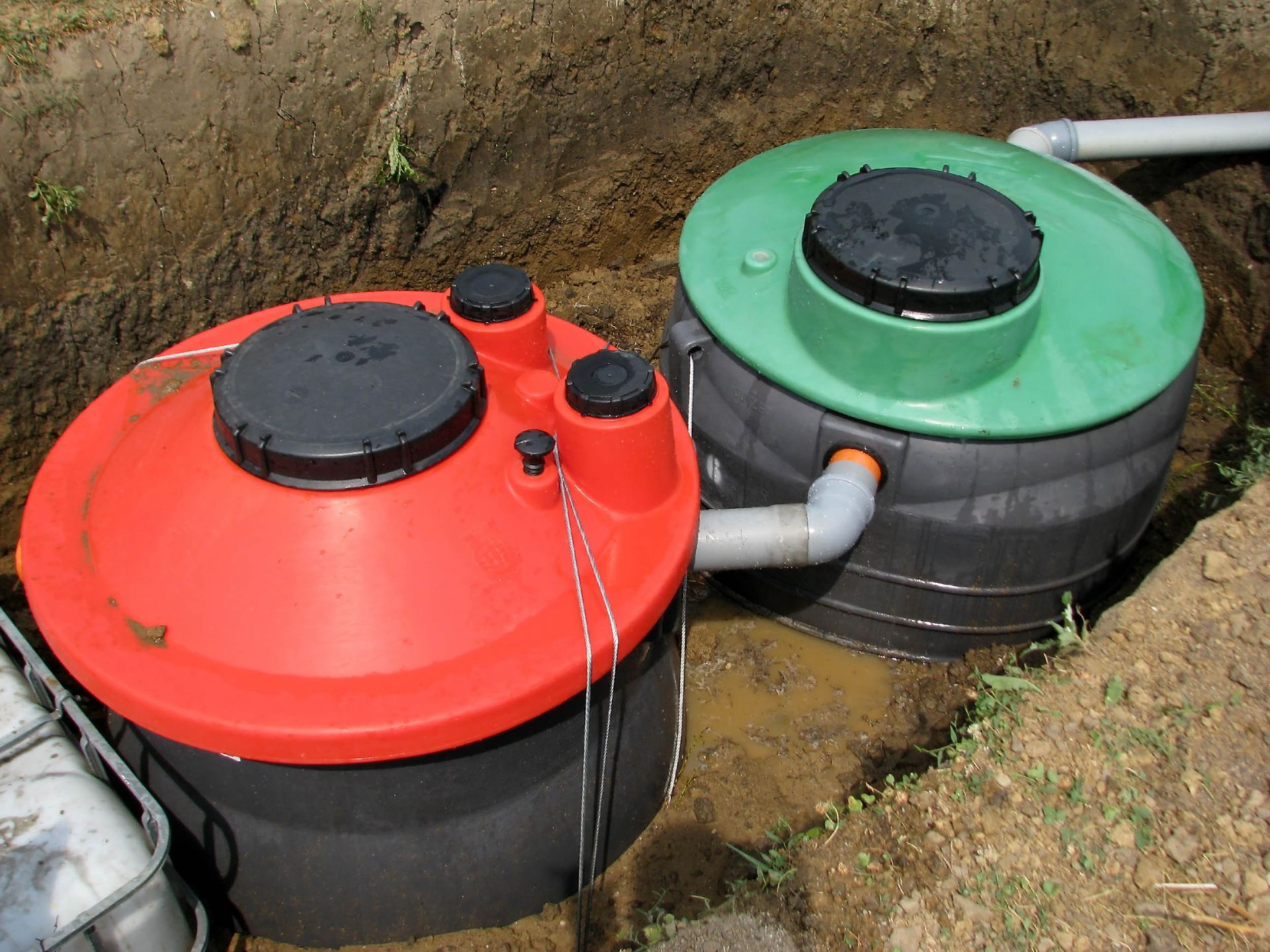
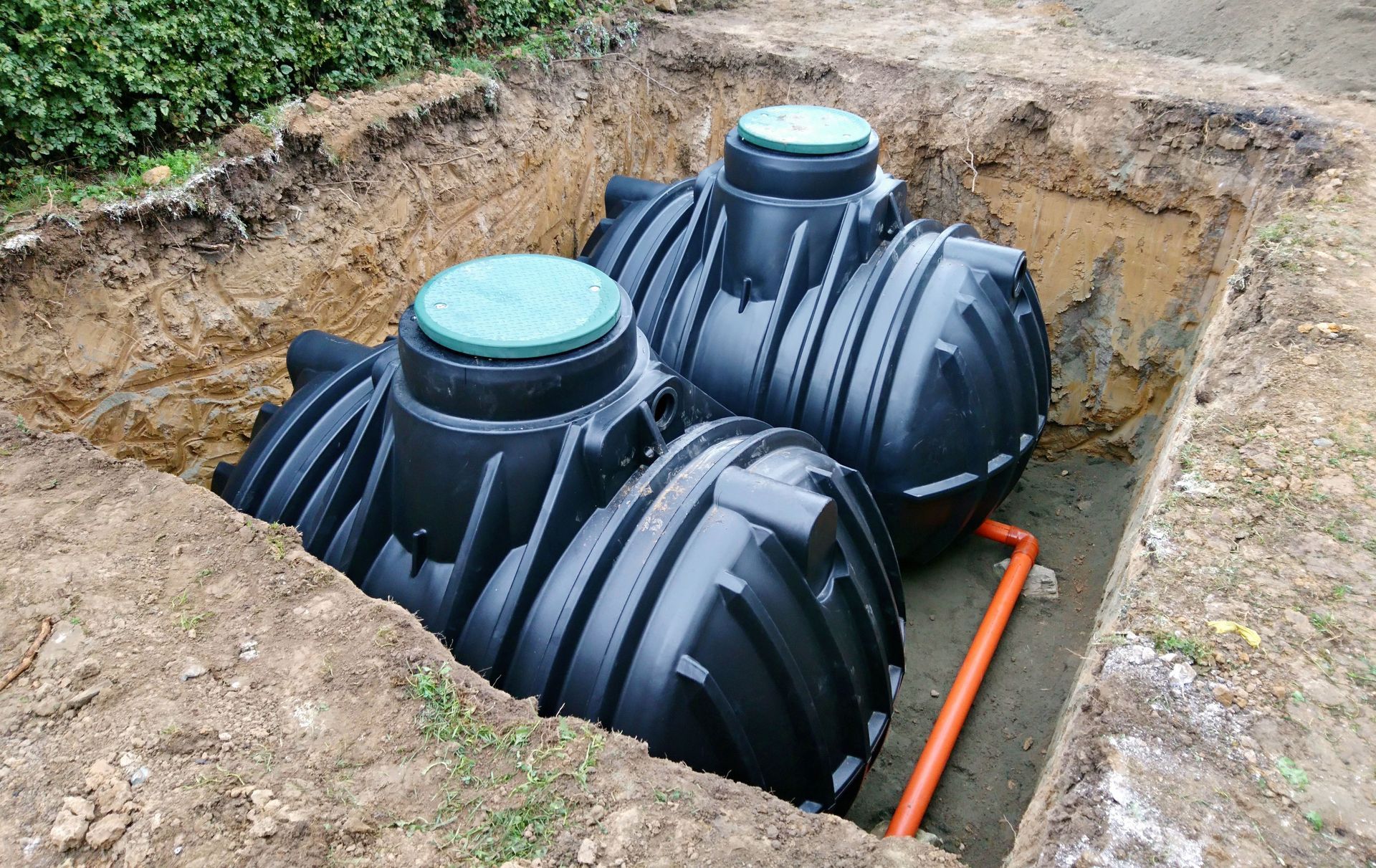
A septic tank that's reached its full capacity may exhibit symptoms similar to those of a clogged drainage system. According to This Old House, septic tanks typically hold more than 1,000 gallons of waste, but when this capacity is exceeded, you'll notice performance issues. Toilets may struggle to flush, and sinks can become slow to drain. Unlike minor localized clogs, systemic plumbing issues cause repeated overflows across multiple fixtures simultaneously, signaling that waste can no longer exit the property effectively. While simple tools like hand plungers might temporarily alleviate minor pipe blockages, persistent line surcharges demand comprehensive mechanical evaluation to prevent sewage from entering living spaces.
Eliminating Unpleasant and Hazardous Odors
The distinctive, foul odor of a malfunctioning waste management setup is an unmistakable warning sign that demands immediate action. These pervasive smells typically carry a strong, sulfuric scent resembling rotten eggs due to hydrogen sulfide gas, which is an organic byproduct of anaerobic decomposition. While minor scents directly around outer access ports can occasionally occur, strong gaseous odors that linger inside living areas represent a major health hazard and an obvious structural failure. This dangerous situation usually indicates a ruptured pipe, a failing seal, or an unvented containment chamber that allows hazardous fumes to migrate freely back toward internal living areas.
The overall intensity and physical location of these unpleasant gases provide valuable clues regarding exact structural failures. Foul smells confined to a small area near roof vents or outer access hatches might point toward minor ventilation blockages or loose caps. However, widespread odors circulating through internal rooms signal severe disruptions, such as cracked waste lines or complete biological failure within the primary holding chamber. Scheduling a complete septic service ensures that all internal leaks are fixed safely.
Preventing Standing Water and Ground Saturation
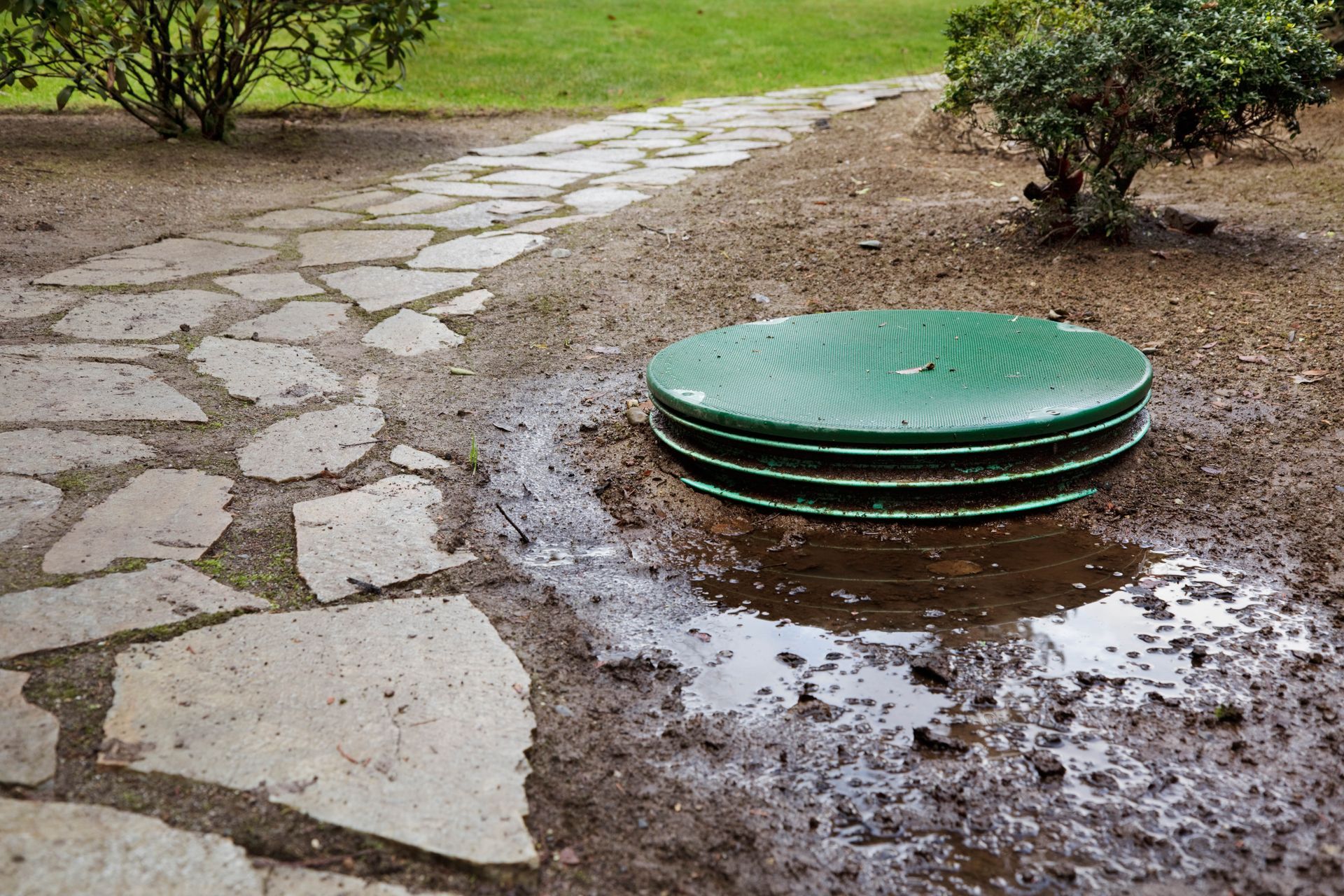
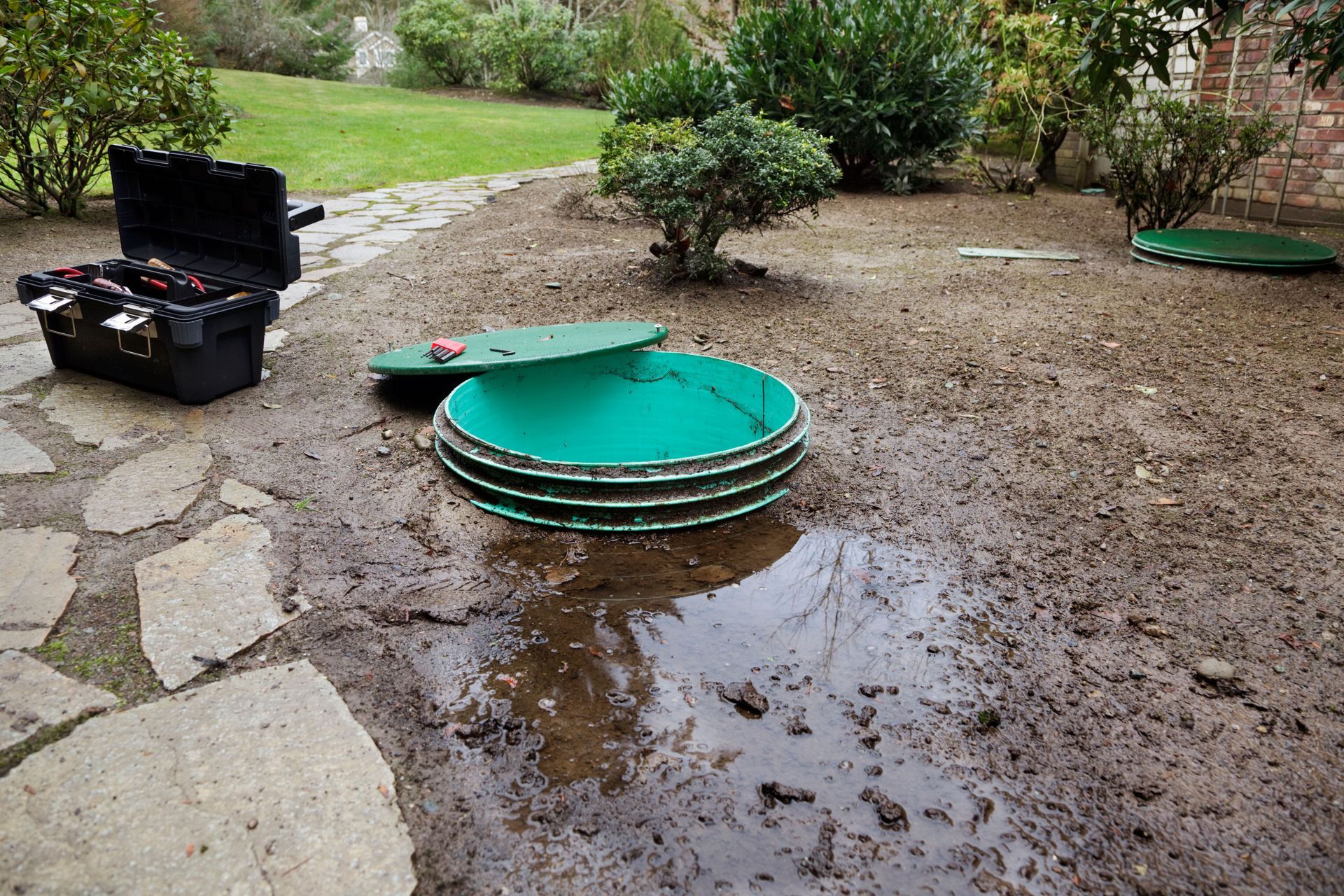
Unusual standing water pooling across lawn areas frequently points to failing absorption fields, signaling that wastewater is no longer filtering properly into surrounding soil layers. This alarming symptom generally manifests as uncharacteristically spongy or swampy ground, occurring even during prolonged periods without rainfall. A malfunctioning drain field often stems from severe soil compaction, physical pipe damage, or heavy organic sludge buildup, which prevents normal liquid percolation through substrate strata. Neglecting surface water accumulation allows untreated effluent to pool freely, accelerating environmental contamination and threatening local ecosystems.
Complete absorption failure occurs when liquid effluent cannot be processed or dispersed by surrounding earth layers. Contributing factors include heavily compacted clay soils, improper original system design, or excessive daily water usage that far exceeds built design capacities. These failures reveal themselves through persistent surface accumulation, confirming that internal liquid separation is compromised. Scheduling a specialized septic service is vital in these scenarios, as ignoring standing wastewater invites disease-carrying vectors, ruins residential landscaping, and leads to costly environmental remediation. Addressing drainage breakdowns at the first sign of surface moisture preserves land usability and prevents catastrophic system breakdowns.
Managing Abnormal Vegetation Growth
Unusually lush and dark green grass patches along lawn surfaces present a clear sign of underlying liquid management failure. These isolated zones thrive unexpectedly due to severe nutrient overloading, as leaking wastewater acts as an unintended, continuous fertilizer source for surface roots. Untreated effluent carries concentrated levels of nitrates and phosphates, which rapidly accelerate vegetative growth directly above saturated soil lines. While a vivid green lawn might initially appear visually appealing, it actually confirms that untreated liquid is escaping directly into shallow soil zones rather than filtering downward.
Understanding the precise physical layout of subsurface absorption fields is vital for recognizing subtle operational anomalies. This specialized zone, engineered to filter and disperse liquid effluent safely, can impact expansive property areas if working inefficiently. While unusually verdant grass indicates active leakage, yellowing or completely dead vegetation can similarly signal chemical saturation or severe oxygen depletion within topsoil layers. Securing professional septic service ensures that soil absorption areas remain balanced, preventing localized nutrient saturation and protecting overall lawn health.
Addressing Groundwater and Well Contamination
Testing private well water regularly is essential for any property owner utilizing on-site waste disposal solutions, particularly when drinking sources are situated nearby. Severe groundwater contamination occurs when nitrate-rich liquid leaks through surrounding soil strata and migrates into subterranean aquifers, posing serious health threats to humans and animals alike. Elevated nitrate concentrations are especially dangerous for vulnerable individuals, causing oxygen deprivation in infants and severe health complications for adults. Routine laboratory water tests detect invisible chemical alterations quickly, enabling timely remediation.
Excessive nitrates within private water supplies originate from agricultural runoff, decaying organic matter, and failing liquid containment systems. Damaged structural components or overflowing containment chambers represent major sources of local groundwater pollution, leaching raw sewage directly into surrounding soil matrices. When untreated wastewater reaches potable water tables, it elevates nitrate levels drastically, rendering private drinking supplies completely unsafe. Utilizing dedicated septic service helps property owners locate subtle leaks, implement structural repairs, and safeguard regional water tables against hazardous contamination.
Scheduling Inspections and Routine Care
The average lifespan of a well-constructed waste processing arrangement ranges between 20 and 30 years, depending on original installation quality, soil conditions, and usage habits. However, overall system longevity is heavily dictated by daily water volume management and consistent maintenance routines. Infrastructure older than two decades frequently exhibits physical fatigue, requiring localized component restoration or full system replacement. Detailed engineering evaluations assess internal physical conditions, helping owners determine whether minor line repairs or complete structural overhauls are necessary.
Routine professional evaluations are essential for identifying internal wear, minor blockages, and subtle component damage before catastrophic failures occur. Expert technicians spot minor structural defects during these comprehensive checks, allowing owners to complete affordable repairs well before emergency situations arise. Property owners should arrange for comprehensive septic service every three to five years to ensure uninterrupted processing efficiency. These detailed diagnostic visits keep underground components working smoothly while eliminating the stress of sudden plumbing disasters.
Preserving Structural Integrity and Value
Recognizing subtle warning signs early protects residential property investments while preventing hazardous health situations and expensive emergency interventions. By addressing minor functional changes promptly, property owners protect their land, safeguard nearby water supplies, and ensure long-term plumbing reliability. Professional assessments deliver valuable operational insight and total peace of mind, ensuring that underground waste systems run effectively throughout their intended operational lifespan.
Taking quick action at the first sign of slow drains or standing water guarantees that small issues are resolved before turning into catastrophic failures. Investing in prompt septic service extends equipment longevity, maintains property values, and keeps household plumbing running efficiently year after year. Contact Larry's Septic Tank Service today to schedule a comprehensive inspection, discuss routine care plans, and ensure your home stays completely protected.


Share On: